
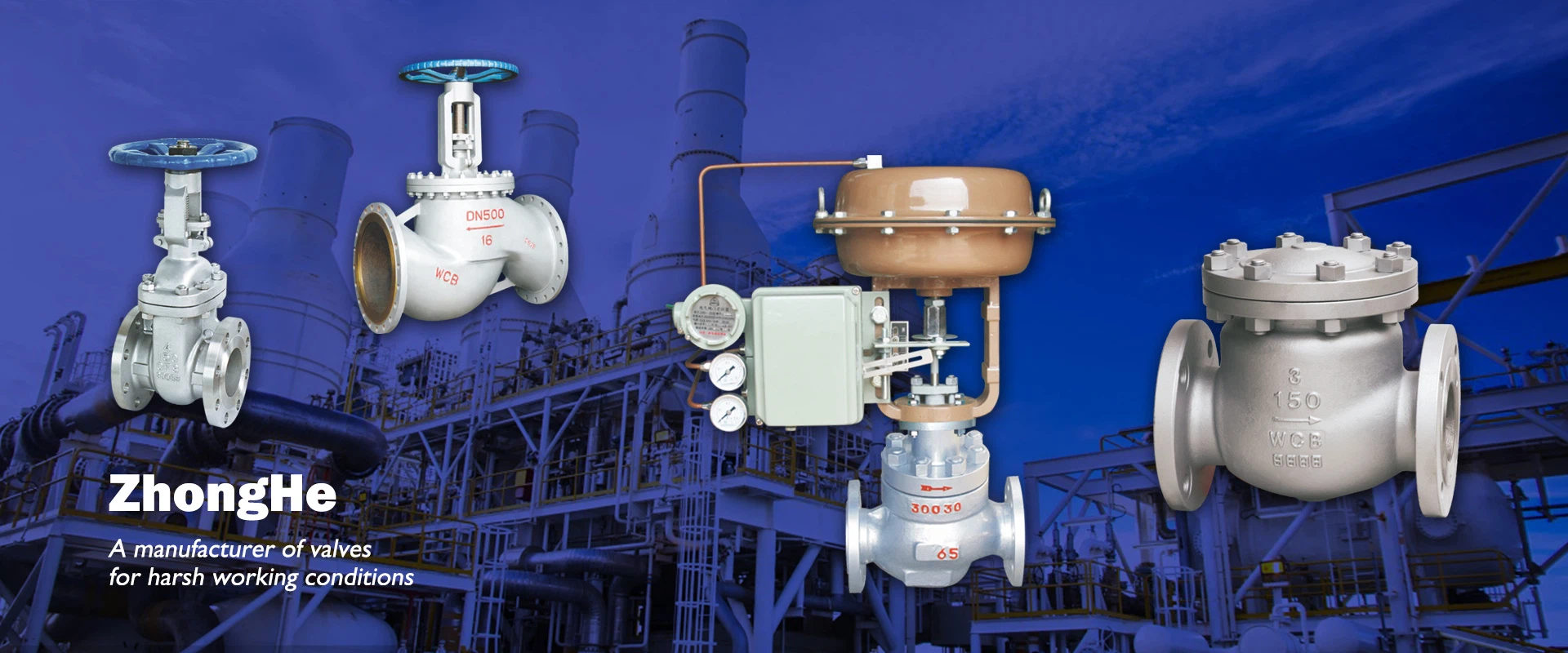
What is the difference between a gate valve and a needle valve?
Gate valves and needle valves are two types of valves that are commonly used in various applications. Although both valve types can regulate the flow of fluid, they differ in several ways. In this article, we will explore the differences between gate valves and needle valves and their applications.
Mechanism of Operation
One of the key differences between gate valves and needle valves is the mechanism of operation. A gate valve operates by using a gate that is raised or lowered to control the flow of fluid. The gate is typically wedge-shaped and moves perpendicular to the direction of flow. When the gate is lowered, it blocks the flow of fluid completely, while when it''s raised, the fluid can flow through the valve with minimal resistance.
In contrast, a needle valve operates by using a tapered needle-like plunger that controls the flow of fluid. By rotating the stem, the plunger is raised or lowered to adjust the flow of fluid through the valve. The precision of the needle valve stems from the fine-tuned control it has over the flow of fluid.
Applications
Gate valves are commonly used in applications where the flow rate is not critical, and the valve is regularly operated. They are ideal for situations where the valve is either completely open or closed. The gate valves'' design is simpler, and their maintenance costs are lower than that of needle valves. They''re commonly used in applications such as pipeline systems, chemical processing, and irrigation.
On the other hand, needle valves are commonly used in applications where precise control of flow rate is necessary. They''re frequently used in laboratory applications, flow control for fuel or oil, metering pumps, and analytical instrumentation. The needle valve''s precision makes it an ideal choice for delicate systems that require accurate flow rate control.
Pressure Rating
Another difference between gate valves and needle valves is their pressure rating. Gate valves are typically designed to handle higher pressure applications, and they have a higher flow capacity than needle valves. Due to their simplified design, they can handle more significant loads, and they''re sturdy enough to withstand high-pressure applications.
Needle valves, on the other hand, are limited in their pressure rating because of the tapered plunger design. They have a lower flow rate capacity and are suitable for low to medium-pressure applications only.
Size and Shape
Gate valves are typically larger and bulkier compared to needle valves. They''re designed to handle larger fluid volumes with minimal resistance. Needle valves, on the other hand, are designed to regulate the flow of fluids in a controlled and precise manner. They''re smaller in size and less bulky, making them ideal for applications where space is limited.
Durability
Gate valves are generally more durable compared to needle valves because of their simplified design. They''re suitable for applications where the valve requires regular operation. When maintained properly, gate valves can last for many years with minimal maintenance.
In contrast, needle valve''s design is more complex, and they require more maintenance. The valve''s tapered plunger can wear out with time, and the valve needs regular cleaning to prevent blockages.
Conclusion
In summary, gate valves and needle valves are two types of valves that operate differently and are suitable for different applications. Gate valves are ideal for larger fluid flows and high-pressure applications, while needle valves are perfect for low to medium-pressure applications that require precise flow control. Ultimately, choosing the right valve for your application will depend on your specific needs, and careful consideration of the characteristics of each valve type.